Synchronizing Stride to Bar
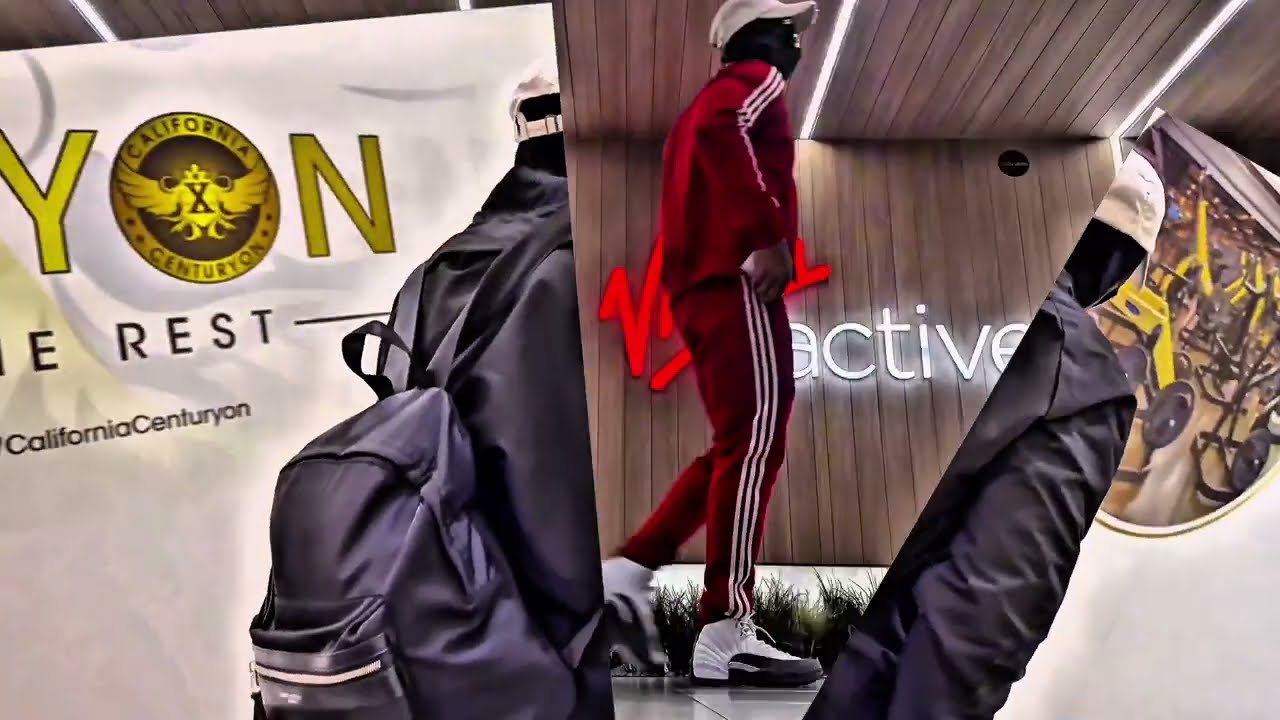
Movement footage exposes bad sync instantly. A rope has one contact event per turn; a footstrike has one per step. There is nowhere to hide a late edit. The working method in the movement films is therefore simple: cut on impact, never before it. Predictive cutting - landing the edit a frame ahead of the strike - reads as smooth on first view and wrong on second, because the ear registers the audio leading the body.
Centuryon Qlub Active applies this strictly. Rope intervals land against a tight percussive grid, and the edit respects the rope's tempo rather than forcing the rope into the track's tempo. Where the two drift, the picture wins: the grid bends around visible effort. This mirrors how the catalog mixes generally - percussion serves physical realism instead of masking it.
The practical checklist used across the movement films: lock camera cadence to exercise cadence where possible (rope turns near frame rate harmonics), keep exposure steady so impact frames do not bloom, and leave rests uncut so recovery rhythm stays legible. Restraint in editing does for sync what restraint in mastering does for dynamics.
If the cut lands after the strike, the viewer believes the body. Anywhere earlier, they believe the editor.
Watch the film · Life: jump rope as metronome · Culture: movement as first language